
Brown Leaf Tips on Houseplants: 8 Causes to Check
Diagnose brown tips through moisture, salts, humidity, heat, roots and natural leaf ageing.
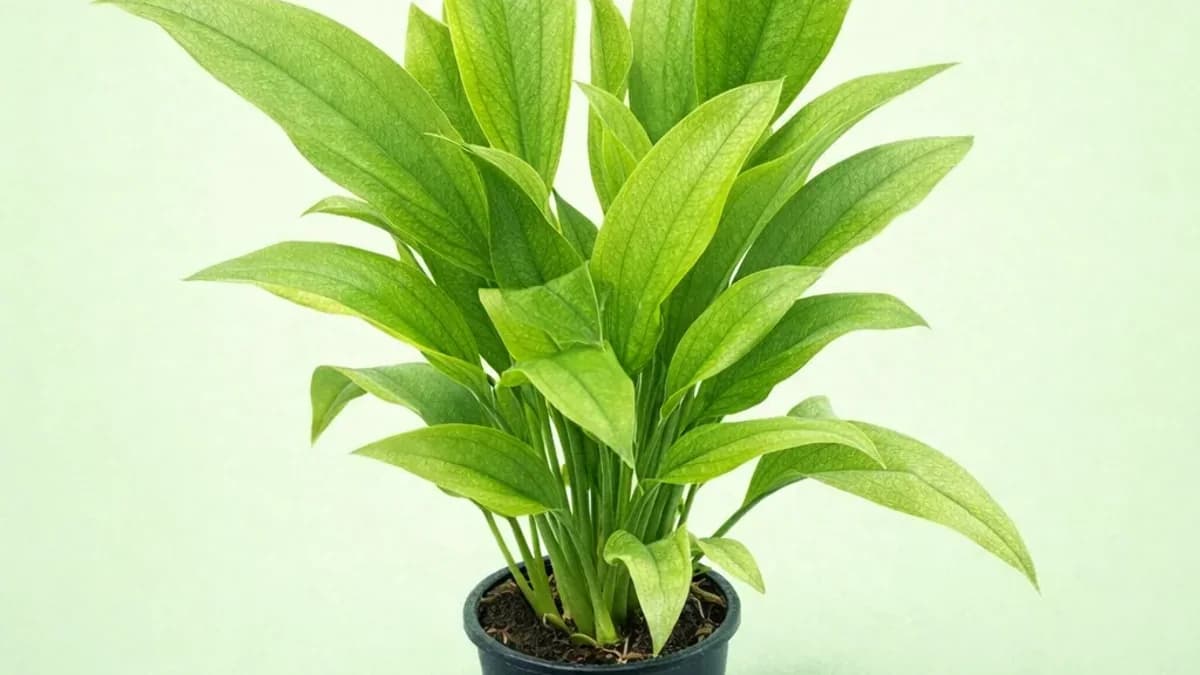
Quick answer: Brown tips usually mark damaged tissue caused by inconsistent moisture, salt buildup, dry air, heat, root stress or physical injury. The tip will not turn green again; success means the damage stops progressing and new leaves emerge healthier.
Check water and roots
- Review severe dry-wet swings.
- Inspect whether dense mix stays saturated.
- Flush accumulated salts only when drainage and root health allow.
Check the room
- Move leaves away from hot glass and AC drafts.
- Group humidity-sensitive plants without eliminating airflow.
- Protect from abrupt direct sun.
Read new growth
- Old scars remain after correction.
- New leaves reveal whether the change worked.
- Trim cosmetic tips only with clean scissors.
Common mistakes to avoid
- Increasing watering without checking wet soil
- Misting as the only humidity fix
- Adding more fertiliser to stressed roots
What to do next
- Measure your light or inspect the affected plant.
- Check roots, drainage and moisture before buying a treatment.
- Choose one correction and document the result.
Frequently asked questions
Should I cut the whole leaf?
Keep functioning green tissue unless disease or severe damage warrants removal.
Is tap water always the cause?
No. Investigate moisture and roots first.
How fast will it improve?
Existing damage remains; judge the next leaves over several weeks.
Shop with soil fit: Find soil-fit care support.
Recommended for this guide
Hand-picked essentials matched to this guide, delivered with soil-fit care support.

Low-Tech Aquarium Plant Trio

Brahmi Herb Garden Starter Kit

Beginner Pothos + Soil Starter Kit
Keep reading
Related plant guides
Planted Tank Secrets: How Snails Save Your Aquatic Plants from Melting
When new aquatic plants melt, amateur hobbyists panic. Discover how Ramshorn and Nerite snails act as natural biological filters to salvage your aquascape.
Ayurvedic Biophilia: How Growing Tulsi and Brahmi Alters Your Indoor Micro-Climate
Holy Basil (Tulsi) and Indian Pennywort (Brahmi) are more than therapeutic herbs. Explore the science behind their biophilic volatile compound emissions.
The Nitrogen Lie: Why Synthetic NPK is Slowly Poisoning Your Living Soil
Synthetic chemical fertilizer gives a fast green burst but leaves your soil sterile. Read how to save your soil food web using natural leaf compost and microbia