
How to Build an Ayurvedic Herb Garden in Bangalore
Create a culturally respectful, safety-aware herb garden with tulsi, brahmi, gotu kola, aloe, turmeric and culinary herbs.
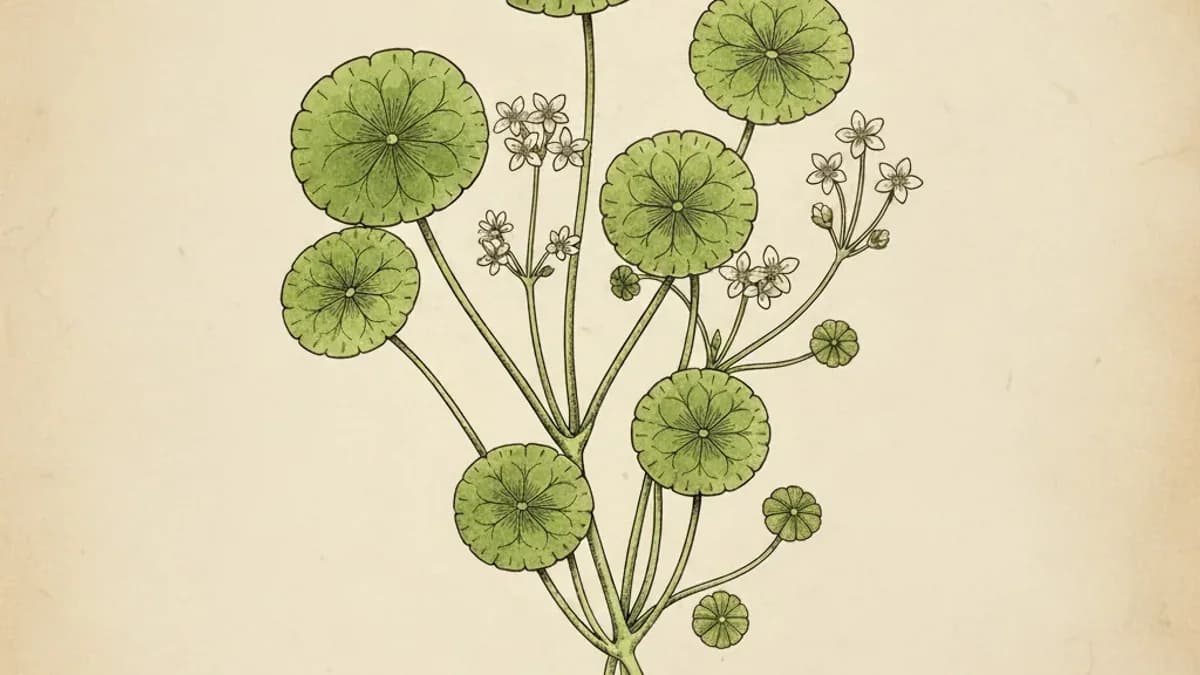
Quick answer: Start with herbs that fit your light and space: tulsi for sun, brahmi or gotu kola for consistently moist bright positions, aloe for a dry sunny edge, and turmeric for a warm seasonal container. Label every plant by botanical name and treat the garden as education and food culture, not a home pharmacy.
Traditional context
An Ayurvedic garden can preserve plant knowledge, seasonal observation and cultural connection. It should also teach that identity, preparation, dose and individual health context matter.
What the evidence can and cannot say
- Botanical literacy prevents common-name confusion.
- Traditional use does not remove the need for safety evidence.
- Growing a herb does not standardise a medicinal preparation.
Safety and contraindications
- Add visible botanical labels and medical disclaimers.
- Keep toxic or concentrated products away from children and pets.
- Refer treatment questions to qualified health professionals.
Growing the plant responsibly
- Group plants by water need rather than tradition alone.
- Use separate fast-draining and moisture-retentive mixes.
- Harvest lightly and keep plants healthy enough to regenerate.
Frequently asked questions
Which herb should a beginner grow first?
Tulsi in sun or gotu kola in a moist bright position are approachable when the space matches.
Can every Ayurvedic herb grow in Bangalore?
No. Mature size, climate and sourcing differ widely.
Can I use the garden to treat illness?
The garden is educational; medical treatment requires qualified guidance.
Sources and further reading
Grow, do not overclaim: Explore the Ayurvedic herb garden collection.
Recommended for this guide
Hand-picked essentials matched to this guide, delivered with soil-fit care support.

Low-Tech Aquarium Plant Trio

Brahmi Herb Garden Starter Kit

Beginner Pothos + Soil Starter Kit
Keep reading
Related plant guides
Planted Tank Secrets: How Snails Save Your Aquatic Plants from Melting
When new aquatic plants melt, amateur hobbyists panic. Discover how Ramshorn and Nerite snails act as natural biological filters to salvage your aquascape.
Ayurvedic Biophilia: How Growing Tulsi and Brahmi Alters Your Indoor Micro-Climate
Holy Basil (Tulsi) and Indian Pennywort (Brahmi) are more than therapeutic herbs. Explore the science behind their biophilic volatile compound emissions.
The Nitrogen Lie: Why Synthetic NPK is Slowly Poisoning Your Living Soil
Synthetic chemical fertilizer gives a fast green burst but leaves your soil sterile. Read how to save your soil food web using natural leaf compost and microbia