
Moringa Benefits: Nutrition, Supplement Claims and Safety
Compare moringa leaves as food with concentrated powders, capsules and unsupported cure claims.
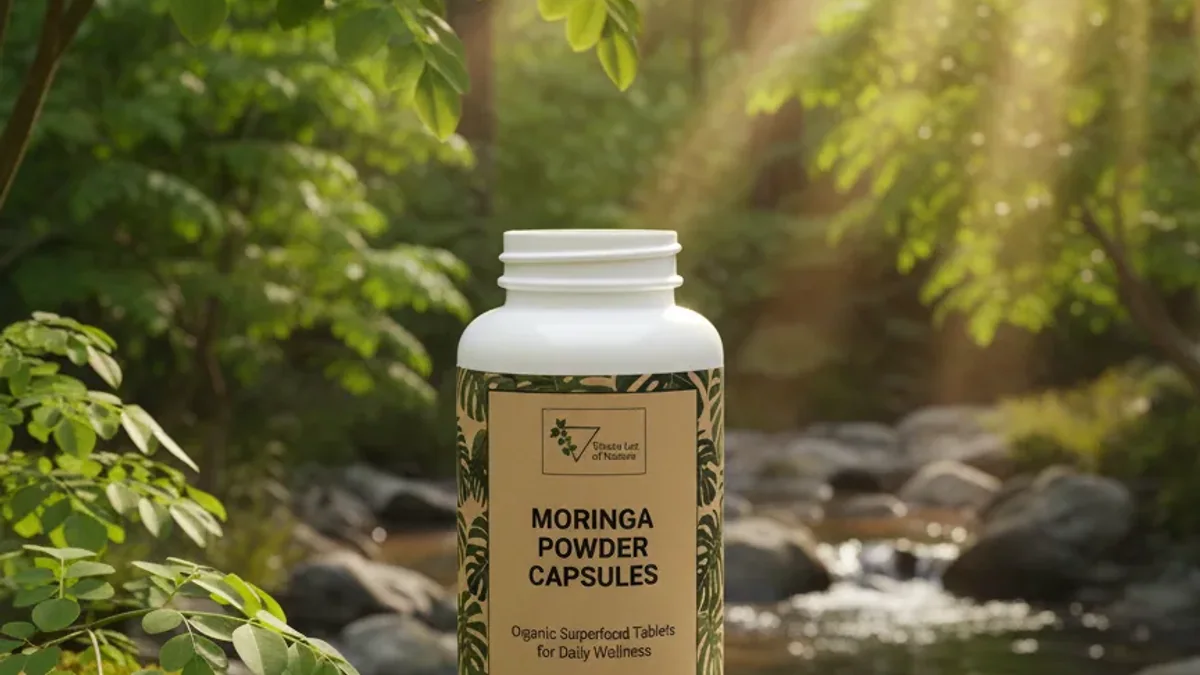
Quick answer: Moringa leaves are nutrient-dense food, but powders and capsules do not automatically prevent or treat disease. Human evidence for many supplement claims is limited, products vary, and concentrated use may interact with medicines or be inappropriate during pregnancy.
Traditional context
Moringa oleifera is both a food tree and a traditional medicine. Food value is the strongest honest starting point; it should not be converted into a cure-all narrative.
What the evidence can and cannot say
- Nutrient composition depends on growing, drying and processing.
- Small clinical studies do not prove every blood sugar, weight or immunity claim.
- Capsules can deliver different exposures than cooked leaves.
Safety and contraindications
- Use food portions sensibly and disclose supplements to clinicians.
- Avoid root and bark preparations during pregnancy.
- Choose tested products because contamination and dose vary.
Growing the plant responsibly
- Moringa needs strong sun and warmth.
- It becomes a tree and requires pruning and space.
- Container plants need drainage and regular size management.
Frequently asked questions
Is moringa powder better than leaves?
Not automatically; fresh or cooked food and concentrated powder serve different purposes.
Can it replace a multivitamin?
No universal substitution should be made without nutritional assessment.
Can moringa grow on a balcony?
Temporarily in a large sunny container, but its mature size is substantial.
Sources and further reading
Grow, do not overclaim: Explore the Ayurvedic herb garden collection.
Recommended for this guide
Hand-picked essentials matched to this guide, delivered with soil-fit care support.

Low-Tech Aquarium Plant Trio

Brahmi Herb Garden Starter Kit

Beginner Pothos + Soil Starter Kit
Keep reading
Related plant guides
Planted Tank Secrets: How Snails Save Your Aquatic Plants from Melting
When new aquatic plants melt, amateur hobbyists panic. Discover how Ramshorn and Nerite snails act as natural biological filters to salvage your aquascape.
Ayurvedic Biophilia: How Growing Tulsi and Brahmi Alters Your Indoor Micro-Climate
Holy Basil (Tulsi) and Indian Pennywort (Brahmi) are more than therapeutic herbs. Explore the science behind their biophilic volatile compound emissions.
The Nitrogen Lie: Why Synthetic NPK is Slowly Poisoning Your Living Soil
Synthetic chemical fertilizer gives a fast green burst but leaves your soil sterile. Read how to save your soil food web using natural leaf compost and microbia