
Tulsi Plant Care: Growing Sacred Basil Without Miracle Claims
Grow tulsi in Indian homes while separating cultural importance, traditional use and modern clinical evidence.
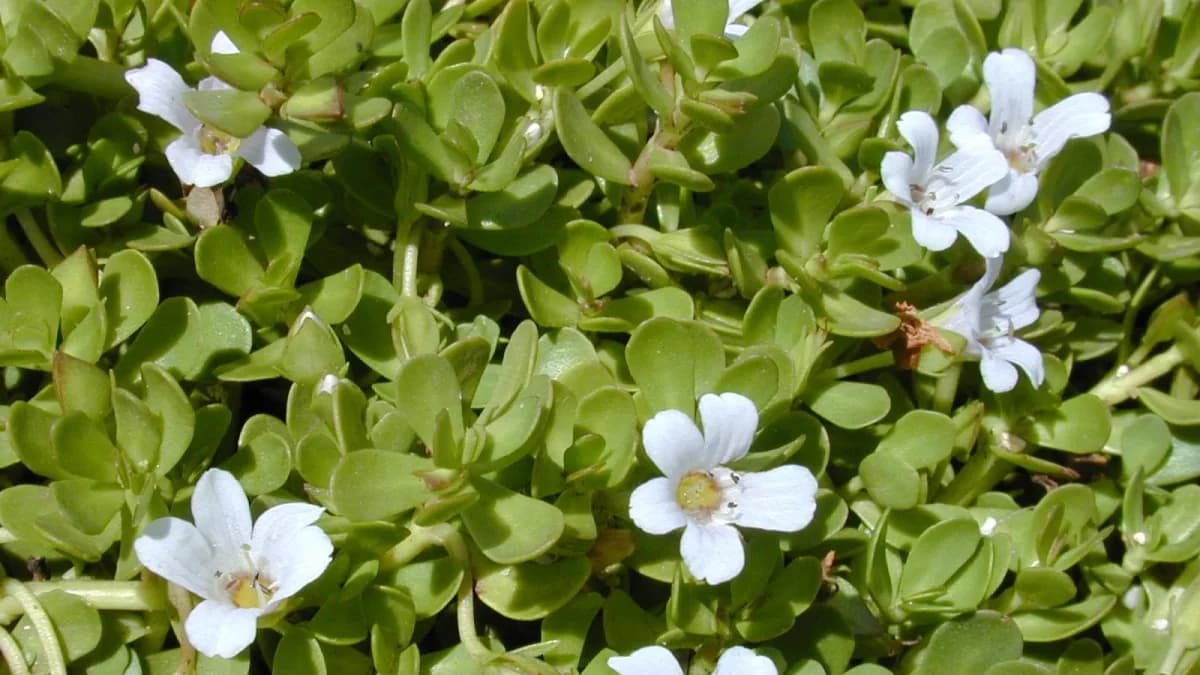
Quick answer: Tulsi needs strong light, warmth, drainage and regular pruning. It holds deep cultural and Ayurvedic significance, but a home-grown plant should not be presented as a proven treatment for disease. Use leaves as food or traditional practice only with appropriate health guidance.
Traditional context
Tulsi, usually Ocimum tenuiflorum, has a long place in household ritual and Ayurveda. That history is meaningful, but traditional use and clinical proof answer different questions.
What the evidence can and cannot say
- Human studies exist for several proposed uses, but preparations, doses and study quality vary.
- A potted plant is not equivalent to a standardised clinical extract.
- Claims about curing infection, diabetes or cancer are not appropriate for a plant-store article.
Safety and contraindications
- Discuss regular medicinal use with a clinician during pregnancy, before surgery or when taking medicines.
- Identify the species before consumption.
- Avoid contaminated leaves and unlabelled concentrates.
Growing the plant responsibly
- Give four to six or more hours of useful sun.
- Use a fertile, draining container mix.
- Pinch tips to encourage branching and protect from prolonged waterlogging.
Frequently asked questions
Why is tulsi dropping leaves?
Check low light, cold stress, pests and wet roots.
Can tulsi grow indoors?
Only beside a very bright window or suitable grow light.
Is tulsi the same as sweet basil?
No. They are related but distinct plants and culinary traditions.
Sources and further reading
Grow, do not overclaim: Explore the Ayurvedic herb garden collection.
Recommended for this guide
Hand-picked essentials matched to this guide, delivered with soil-fit care support.

Low-Tech Aquarium Plant Trio

Brahmi Herb Garden Starter Kit

Beginner Pothos + Soil Starter Kit
Keep reading
Related plant guides
Planted Tank Secrets: How Snails Save Your Aquatic Plants from Melting
When new aquatic plants melt, amateur hobbyists panic. Discover how Ramshorn and Nerite snails act as natural biological filters to salvage your aquascape.
Ayurvedic Biophilia: How Growing Tulsi and Brahmi Alters Your Indoor Micro-Climate
Holy Basil (Tulsi) and Indian Pennywort (Brahmi) are more than therapeutic herbs. Explore the science behind their biophilic volatile compound emissions.
The Nitrogen Lie: Why Synthetic NPK is Slowly Poisoning Your Living Soil
Synthetic chemical fertilizer gives a fast green burst but leaves your soil sterile. Read how to save your soil food web using natural leaf compost and microbia